
When is it time to replace your hiking boots?
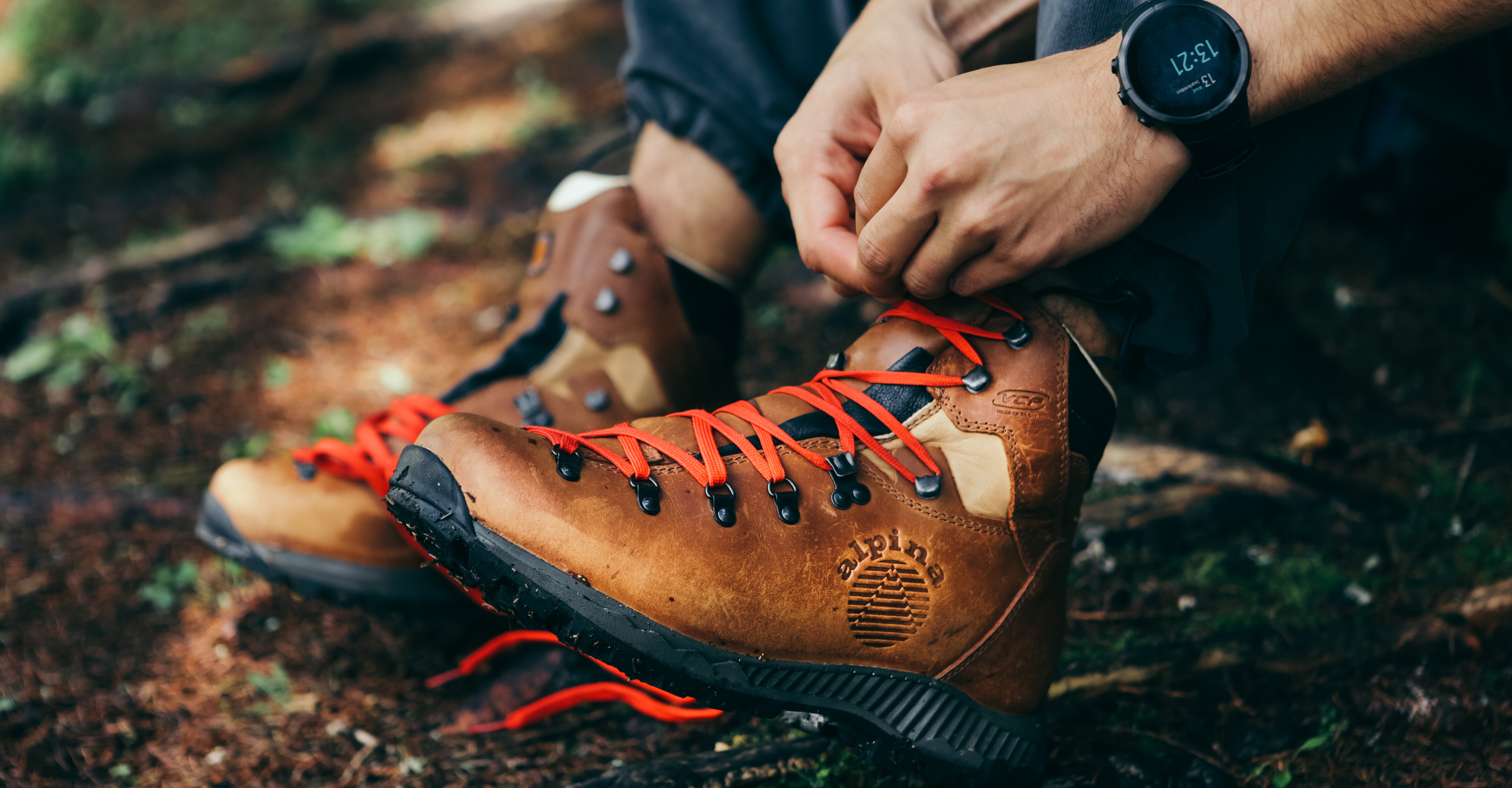
The lifespan of hiking boots depends mainly on how and where you use them
Two identical pairs can last for very different lengths of time, since wear is heavily influenced by how demanding the terrain is, the hiker’s body weight, and how often you head out. That’s why the calendar and the kilometer counter are only a rough guide — the real picture comes from the boot itself.
Five key signs of wear
To keep your footing reliable in the mountains, watch for these five key signs of wear:
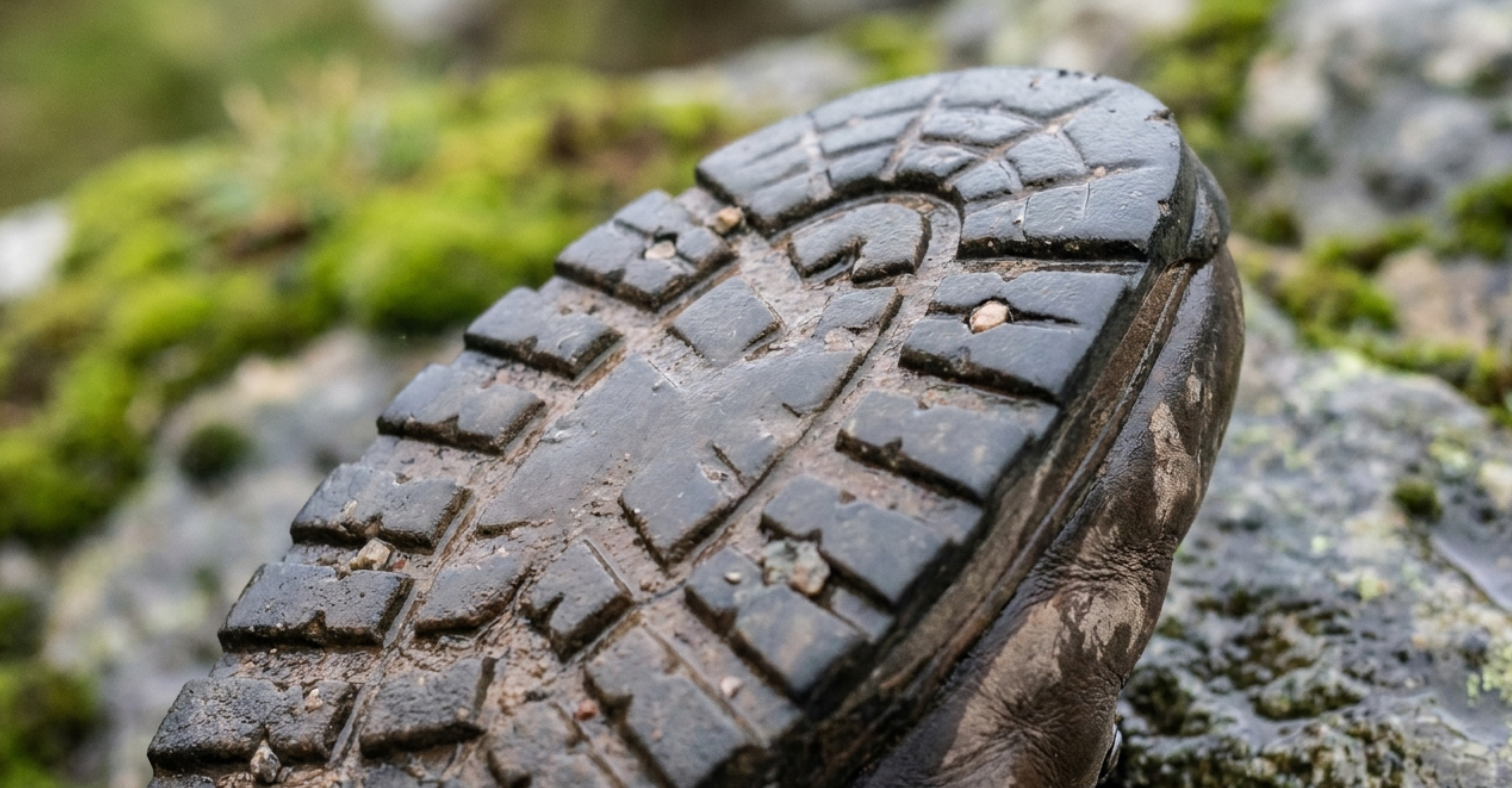
1. The sole has lost its grip
Once the sharp edges of the tread wear down and round off, the rubber loses its ability to bite into the ground. A shallow, worn tread no longer provides reliable traction on wet grass, mud, or smooth rock, significantly increasing the risk of slipping.
2. Moisture finds its way in
Wet socks after walking through dewy grass or rain don’t always mean the waterproof membrane has failed. Often it’s simply the outer water-repellent coating (DWR) wearing off. As a result, the outer material absorbs water, the boot becomes heavier, and your foot starts sweating more, since the trapped moisture can no longer escape.
Useful tip: Before writing your boots off, give them a thorough clean and try restoring the outer protective layer with a quality waterproofing spray.
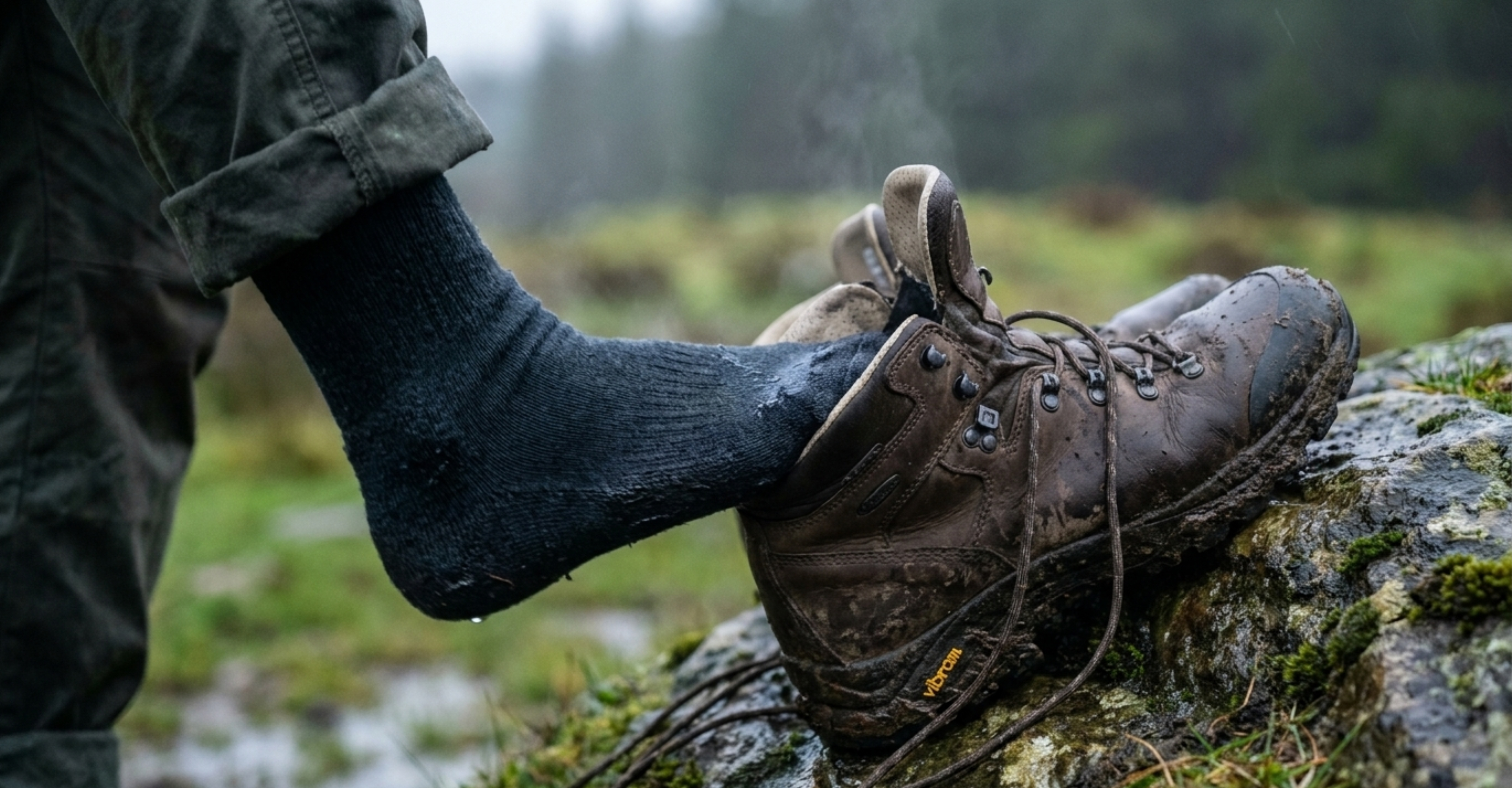
3. The ankle no longer gets proper support
The material around the ankle and along the sides of the boot gradually softens with regular use and loses its original rigidity. If you feel your ankle “wobbling” while walking on uneven terrain, or you need to tighten the laces noticeably more than before for a stable step, the boot has lost its structural support.
4. Shoes expire, even if you don’t wear them
A boot that’s sat unused in a closet for years is aging invisibly. Polyurethane (PU) midsoles and adhesives gradually absorb moisture from the air, leading to hydrolysis — the chemical breakdown of the material. In boots stored for a long time, the sole can start crumbling or come apart entirely on the very first walk, even though the boot still looks brand new. That’s why you should never stock up on hiking boots in advance — only buy them when you actually plan to use them.
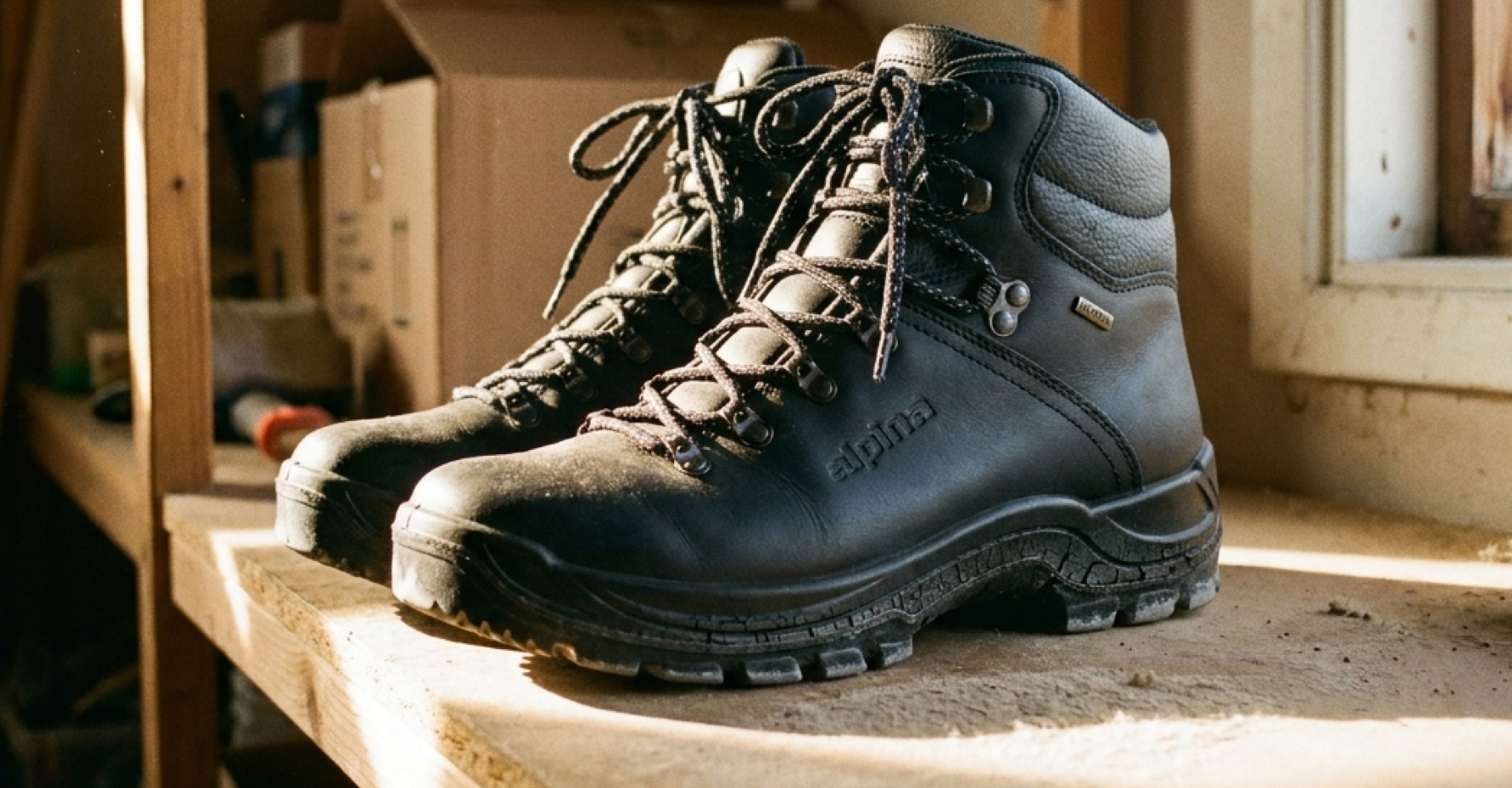
5. Visible cracks and failing seams
Deep cracks in the leather or synthetic material, a peeling rubber edge, or failing stitching are a clear sign the boot is nearing the end of its life. Minor damage can often be fixed by a cobbler, but with larger or recurring issues, continued use on the trail brings more risk of injury than benefit.
Proper care works wonders
Regular cleaning, proper waterproofing, and leather care go a long way toward extending the life of your footwear — more on that in our guide to hiking footwear care. But once the signs of wear cross the line into safety territory, it’s time for a new pair.
Need help choosing?
Visit an Alpina store, where our experienced staff will help you find reliable footwear for your next adventure, or browse the full range in the Alpina online shop.

Want even more useful content?
Sign up for our newsletter. Be the first to know about our new products, special offers, and stories of people who move with Alpina.